
Prescription Drug Benefits Under Medicare (Part D)

Medicare’s prescription drug benefit (Part D) is the part of Medicare that provides outpatient drug coverage. Part D is provided only through private insurance companies that have contracts with the federal government—it is never provided directly by the government (unlike Original Medicare).

If you want to get Part D coverage, you have to choose and enroll in a private Medicare prescription drug plan (PDP) or a Medicare Advantage Plan with drug coverage (MAPD). Enrollment is optional (though recommended to avoid incurring future penalties) and only allowed during approved enrollment periods. Typically, you should sign up for Part D when you first become eligible to enroll in Medicare.

Whether you should sign up for a Medicare Part D plan depends on your circumstances. You may have creditable drug coverage from employer or retiree insurance. If so, you don’t need to enroll in a PDP until you lose this coverage. Also, some people already enrolled in certain low-income assistance programs may be automatically enrolled in a Medicare drug plan and receive additional financial assistance paying for their medicines.

© Medicare Rights Center. Used with permission.

The content is developed from sources believed to be providing accurate information. The information in this material is not intended as tax or legal advice. It may not be used for the purpose of avoiding any federal tax penalties. Please consult legal or tax professionals for specific information regarding your individual situation. This material was developed and produced by FMG Suite to provide information on a topic that may be of interest. FMG, LLC, is not affiliated with the named broker-dealer, state- or SEC-registered investment advisory firm. The opinions expressed and material provided are for general information, and should not be considered a solicitation for the purchase or sale of any security. Copyright FMG Suite.


Related Content
The Richest Man in Babylon

The Richest Man in Babylon

In good times and bad, consistently saving a percentage of your income is a sound financial practice.
What Smart Investors Know

What Smart Investors Know

Savvy investors take the time to separate emotion from fact.
The Power of Compound Interest

The Power of Compound Interest

Learn how to harness the power of compound interest for your investments.
Should You Invest in Exchange Traded Funds?

Should You Invest in Exchange Traded Funds?

There are thousands of ETFs available. Should you invest in them?
Should You Ever Retire?

Should You Ever Retire?

A growing number of Americans are pushing back the age at which they plan to retire. Or deciding not to retire at all.
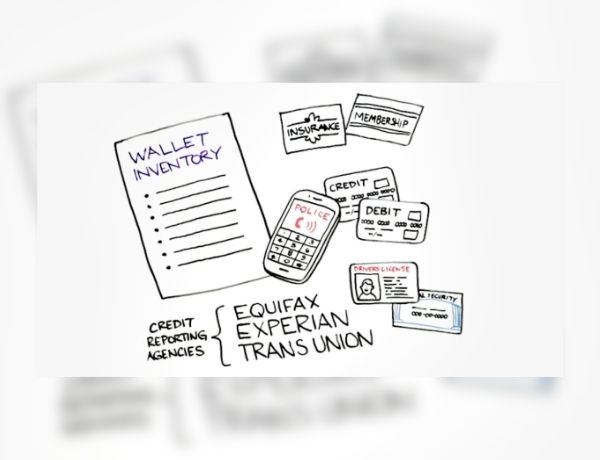
What to Do When You Lose Your Wallet

What to Do When You Lose Your Wallet

Ever lost your wallet? Frustrating. Here’s what you can do to keep yourself safe.
The Junk Drawer Approach to Investing

The Junk Drawer Approach to Investing

It’s easy to let investments accumulate like old receipts in a junk drawer.
Suddenly Single: 3 Steps to Take Now

Suddenly Single: 3 Steps to Take Now

Have you found yourself suddenly single? Here are 3 steps to take right now.
Global and International Funds

Global and International Funds

Investors seeking world investments can choose between global and international funds. What’s the difference?


By providing a telephone number and submitting the form, you consent to be contacted via SMS from Saxon Interests Inc. Message frequency may vary. Message & data rates may apply. Reply STOP to opt out of further messaging. Reply HELP for more information.

Contact us

What can we do for you?

Contact us to schedule a consultation and learn how our portfolio management services can help you reach your financial goals.

Tell us how we can help you today


By providing a telephone number and submitting the form, you consent to be contacted via SMS from Saxon Interests Inc. Message frequency may vary. Message & data rates may apply. Reply STOP to opt out of further messaging. Reply HELP for more information.