

After decades in the Oil & Gas industry, retirement can feel less like an ending and more like the start of a brand-new chapter. The transition from structured benefits, steady income, and demanding schedules to managing your own time and finances often brings both freedom and uncertainty.
At Saxon Financial Group, we’ve helped guide Oil & Gas professionals through this transition of retiring from big oil. Here are seven key steps that could help you retire with clarity and confidence.
Evaluate Your Retirement Benefits
Oil & Gas professionals often accumulate multiple accounts — pensions, 401(k)s, deferred compensation, and company stock. Understanding how each works together is the first step.
Questions to ask:
- Should I take a lump sum or pension annuity?
- How does my Net Unrealized Appreciation (NUA) impact taxes?
- When should I begin Social Security?
Each decision carries tax and cash-flow implications that can affect your financial security for decades.
Turn Savings into Income
Once the paychecks stop, your strategy has to shift from accumulation to distribution. The goal isn’t just preserving your wealth — it’s generating sustainable, tax-efficient income.
Strategic withdrawal sequencing (deciding which accounts to draw from and when) can help you minimize taxes and extend the life of your portfolio.
Manage Company Stock Exposure
Many Oil & Gas retirees hold a large concentration of company stock. While it’s a sign of loyalty, it can also create unnecessary risk if not managed carefully.
Consider diversifying gradually or exploring charitable and tax-efficient liquidation strategies to reduce exposure without triggering large capital gains all at once.
Reassess Your Investment Strategy
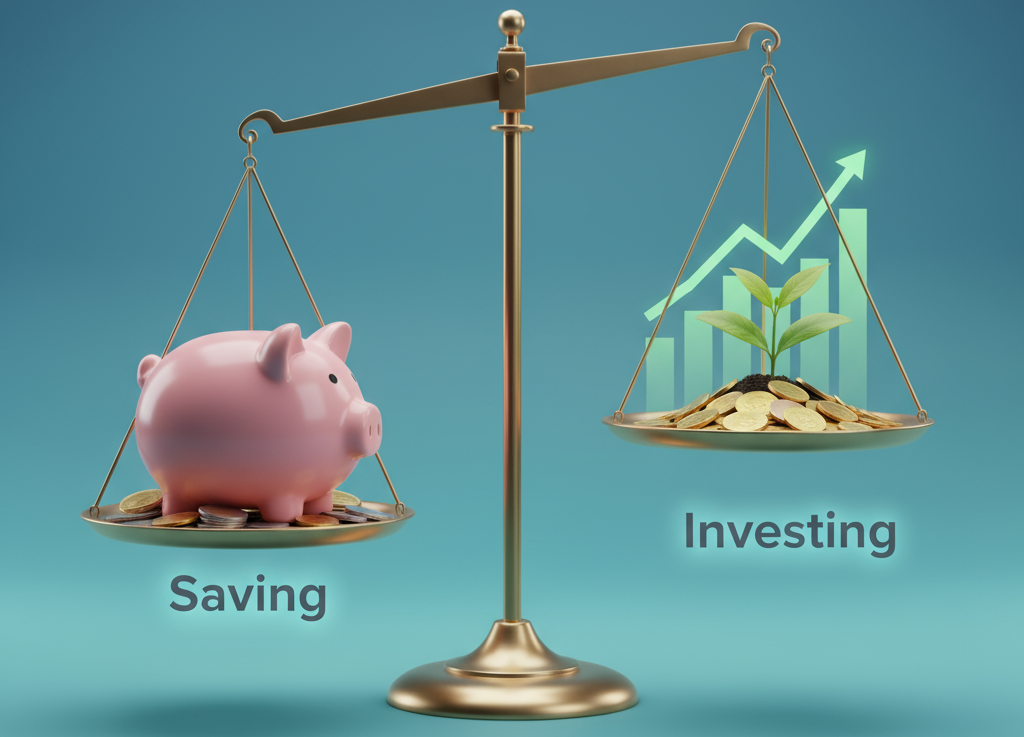
The same portfolio that grew your wealth during your career might not be ideal for retirement. This stage is about balance — maintaining growth potential while reducing volatility.
Building a mix of income-producing and inflation-resistant assets can help your portfolio weather market cycles and protect your lifestyle through changing conditions.
Prepare for Taxes and Healthcare
Taxes and healthcare costs are two of the biggest long-term retirement expenses. Planning for both early can make a significant difference.
- Consider Roth conversions before RMDs begin.
- Evaluate Medicare and supplemental insurance options.
- Use Qualified Charitable Distributions (QCDs) to give strategically while reducing taxable income.
Small adjustments today can translate to substantial savings over time.
Redefine Your Purpose
Retirement often raises a deeper question — What’s next for me?
Some professionals explore consulting, mentoring, volunteering, or even starting a small business. The key is ensuring your financial plan supports this new phase of life so you can focus on fulfillment rather than finances.
Get a Second Opinion
Even if you’re confident in your current plan, a second look can uncover new opportunities for flexibility, efficiency, and peace of mind.
At Saxon Financial Group, we offer complimentary portfolio reviews to compare your current strategy with what’s working in today’s market. It’s a no-obligation way to ensure your retirement plan is as strong and efficient as it can be.
Let’s Talk
If you’re preparing for retirement or already enjoying it, now is the time to make sure your plan is built for the next chapter.
Schedule a complimentary portfolio and benefit review with our team at Saxon Financial Group — and see how we can help you turn decades of hard work into a confident, tax-efficient retirement.
Saxon Financial Group (“Saxon Financial”) is a registered investment advisor. Advisory services are only offered to clients or prospective clients where Saxon Financial and its representatives are properly licensed or exempt from licensure. The information provided is for educational and informational purposes only and does not constitute investment advice and it should not be relied on as such. It should not be considered a solicitation to buy or an offer to sell a security. It does not take into account any investor’s particular investment objectives, strategies, tax status or investment horizon. You should consult your attorney or tax advisor. This information is general in nature and should not be considered tax advice. Investors should consult with a qualified tax consultant as to their particular situation. All information has been obtained from sources believed to be reliable, but its accuracy is not guaranteed. There is no representation or warranty as to the current accuracy, reliability or completeness of, nor liability for, decisions based on such information and it should not be relied on as such.
Contact us
Get Started Today
Take control of your financial future with confidence. Contact Saxon Financial Group to schedule your consultation and learn how we can tailor a financial plan around your unique needs. Together, we’ll guide you down the most strategic path to achieving financial security and peace of mind.


Tell us how we can help you today