

For many Oil & Gas executives, retirement isn’t just a date — it’s a major financial inflection point.
After 25–35+ years in the Oil & Gas industry, folks often retire with:
- Concentrated company stock
- Deferred compensation
- Pension elections
- Large bonus payouts
- Significant 401(k) balances
- Complex estate considerations
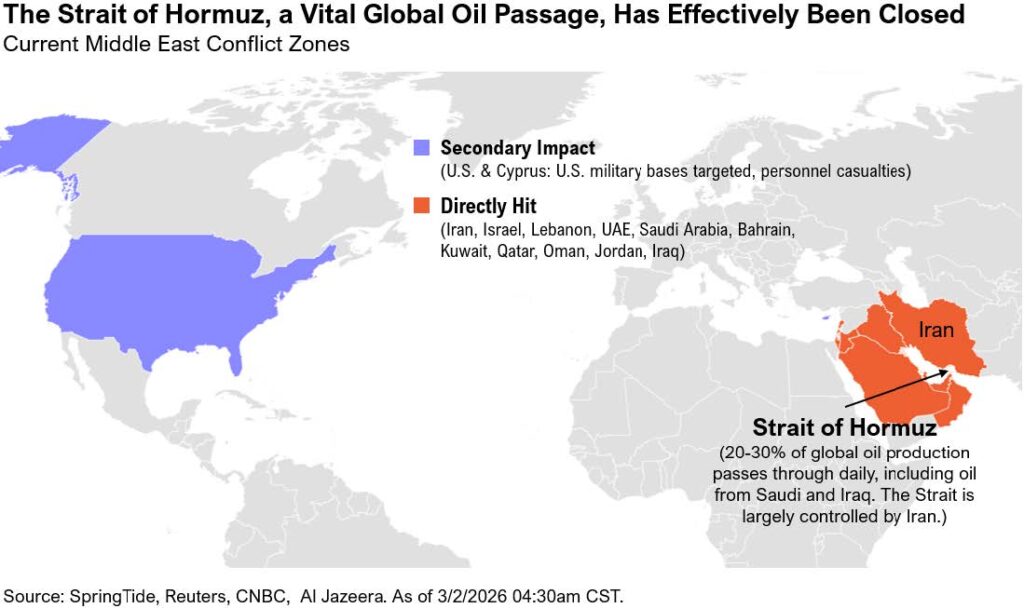
In 2026, investors face a more complex environment. Market volatility continues, interest rates remain above the levels seen in recent years, energy prices fluctuate with global developments, and the outlook for tax policy is still evolving.
If you’re planning to retire this year, here are five moves to consider.
Address Concentration Risk Before You Walk Out the Door
Many Oil & Gas executives retire with a significant percentage of their net worth tied to one company.
This may include:
- Restricted stock units (RSUs)
- Stock options
- Deferred stock comp
- Company stock inside your 401(k)
While loyalty is admirable, concentration risk can quietly derail retirement.
Energy markets are cyclical. Oil prices respond to OPEC decisions, global demand, and geopolitical events. A downturn shortly after retirement can materially reduce lifestyle flexibility.
Before retiring, evaluate:
- What percentage of your net worth is in company stock?
- How exposed are you to commodity price swings?
- Would a 20–30% drop in energy equities materially impact your income plan?
Often, a structured, tax-efficient diversification strategy implemented in the final working year can significantly reduce risk.
Retirement is when you transition from growth mode to preservation mode. Concentration risk should be treated intentionally.
Make the Pension Decision With Precision
For executives with legacy pension benefits, the lump sum vs. annuity decision is critical.
The value of your lump sum is highly sensitive to interest rates. In a higher-rate environment, lump sums may be smaller than in prior years.
Key considerations:
- Your health and life expectancy
- Spousal survivor needs
- Other guaranteed income sources
- Estate planning goals
- Inflation protection
- Investment confidence
For some, the annuity offers peace of mind. For others, the lump sum provides flexibility and legacy planning advantages.
This is not a decision to make casually — and certainly not without running detailed projections.
Optimize Your Final Year Tax Strategy
Your final working year is often your highest income year.
You may have:
- A large bonus
- Equity vesting
- Deferred comp payouts
- Vacation payouts
- Potential sign-on or retention incentives
Without coordination, this can push you into a materially higher tax bracket.
Strategic moves may include:
- Coordinating vesting schedules
- Timing retirement date strategically
- Utilizing charitable giving strategies
- Implementing tax-efficient diversification methods
- Managing required minimum distribution timelines (if applicable)
The difference between reactive tax filing and proactive tax planning can have a meaningful impact on long-term retirement outcomes.
Design a Sustainable Retirement Income Plan
Your paycheck is ending. Your assets now need to produce income. For executives with significant 401(k) balances, understanding the full range of investment options available to you — including tools like Fidelity BrokerageLink for oil and gas 401(k) plans — can make a meaningful difference in how you structure distributions and manage risk in retirement.
In 2026, income planning should consider:
- Market volatility
- Inflation persistence
- Interest rate levels
- Longevity risk
A proper plan should identify:
- What fixed income sources you have (Social Security, pension, etc.)
- What variable income must come from investments
- Safe withdrawal assumptions
- Cash reserve strategy
- Contingency planning for market downturns
Oil & Gas executives often underestimate the emotional shift from accumulation to distribution.
The goal is not simply maximizing returns — it’s designing predictable, resilient income.
Update Your Estate & Legacy Plan
Many energy professionals accumulate substantial wealth over long careers.
But retirement is when estate planning should become intentional.
Consider:
- Is your will or trust current?
- Have you reviewed beneficiary designations?
- Is your estate exposed to unnecessary taxes?
- Are you planning for generational wealth transfer?
- Have you structured charitable intent properly?
With federal estate tax thresholds subject to potential changes in coming years, proactive planning now may prevent costly adjustments later.
Retirement is a transition not just for you — but for your family.
Retirement Is a Financial Pivot Point
Retiring in 2026 as an Oil & Gas executive means navigating:
- Commodity volatility
- Interest rate shifts
- Tax complexity
- Concentrated equity exposure
- Multi-decade income planning
The decisions made in your final working year can impact the next 25–35 years of your life.
This stage is less about maximizing upside and more about protecting what you’ve built while creating freedom and flexibility.
If you are within 12–24 months of retirement, now is the time to run the numbers carefully and coordinate every moving piece.
Retirement isn’t the finish line.
It’s the next chapter and it deserves a strategy as disciplined as the career that built it.
Saxon Financial Group (“Saxon Financial”) is a registered investment advisor. Advisory services are only offered to clients or prospective clients where Saxon Financial and its representatives are properly licensed or exempt from licensure. The information provided is for educational and informational purposes only and does not constitute investment advice and it should not be relied on as such. It should not be considered a solicitation to buy or an offer to sell a security. It does not take into account any investor’s particular investment objectives, strategies, tax status or investment horizon. You should consult your attorney or tax advisor. This information is general in nature and should not be considered tax advice. Investors should consult with a qualified tax consultant as to their particular situation. All information has been obtained from sources believed to be reliable, but its accuracy is not guaranteed. There is no representation or warranty as to the current accuracy, reliability or completeness of, nor liability for, decisions based on such information and it should not be relied on as such.
Contact us
Get Started Today
Take control of your financial future with confidence. Contact Saxon Financial Group to schedule your consultation and learn how we can tailor a financial plan around your unique needs as an Oil & Gas Professional. Together, we’ll guide you down the most strategic path to achieving financial security and peace of mind.


Tell us how we can help you today